December 17, 2025
From Rick...
I know I write a lot about starting a career in the Heavy Equipment Operator field. I believe this is a great industry to be in and love teaching workers how to operate equipment safely. Here's more information on why working as a Heavy Equipment Operator can be fulfilling and rewarding.
If you like hands-on work, want skills that translate almost anywhere, and prefer building real things over sitting at a desk, "heavy equipment operation" is one of the most practical career paths you can choose right now, especially on the East Coast, where infrastructure, housing, and commercial construction continue to drive demand.
Below is a realistic look at the job outlook for 2025 – 2030, what you can earn, and how getting the right Massachusetts hoisting license can help you get hired faster.
What Does a Heavy Equipment Operator Do?
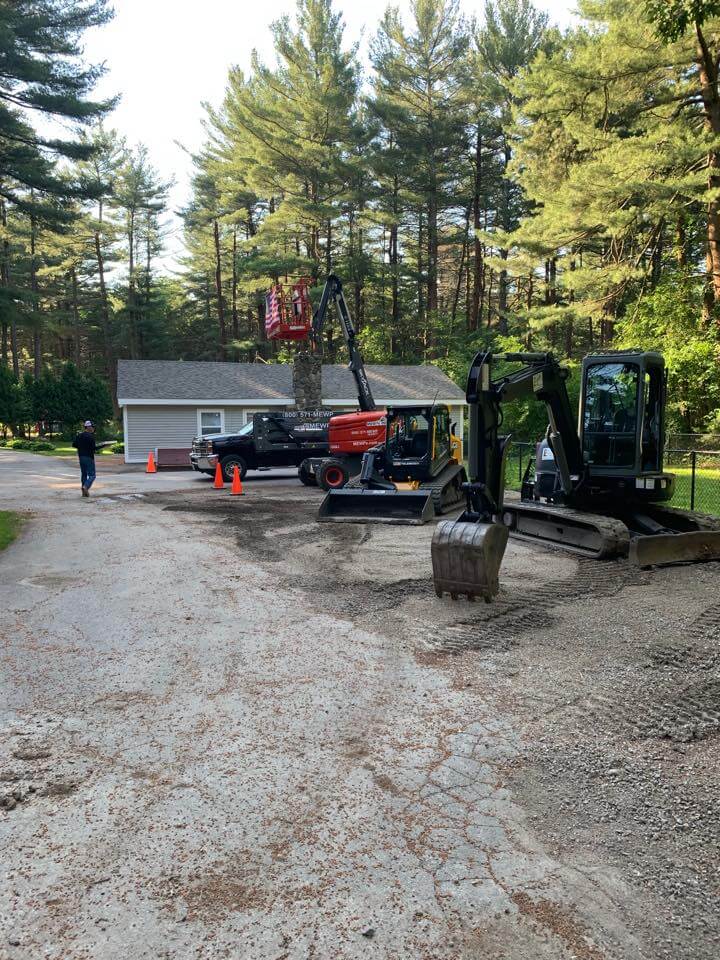
“Heavy equipment operator” is an umbrella term for people who run the machines that move jobs forward, like:
In the federal job data, this type of work is commonly grouped under Construction Equipment Operators and Operating Engineers and Other Construction Equipment Operators.
The 2025 - 2030 Job Outlook: Steady Growth + Job Openings
Here’s the straight story: the occupation isn’t projected to explode in headcount, but it is projected to stay consistently in demand.
National Outlook (the baseline)
The U.S. Bureau of Labor Statistics (BLS) projects:
~4% job growth (2024–2034) for construction equipment operators.
~46,200 openings per year on average in that same decade (mostly from retirements and workers changing careers).
For Operating Engineers (47-2073) specifically, BLS also estimates ~41.9k annual openings on average and lists a median wage of $58,710 (May 2024).
What That Implies for the East Coast
BLS projections are national, but the East Coast tends to have strong ongoing drivers that keep operators busy:
Aging infrastructure (roads, bridges, water systems)
Dense metro development and redevelopment
Ports, utilities, and large commercial projects
Storm resilience and repair work (a recurring reality in many Atlantic states)
So while growth may be “modest,” the number of openings tends to stay high, and employers often feel the pinch when skilled operators are hard to find.
Construction's Labor Gap is Real
Industry groups are openly saying the construction sector needs to bring in a lot more workers to meet demand. For example, Associated Builders and Contractors (ABC) estimated the industry would need 439,000 net new workers in 2025 and 499,000 in 2026.
What Can You Earn in Massachusetts?
Pay depends on your license class, equipment, experience, union/non-union, and the types of projects you work on. But Massachusetts is a strong-paying state for this occupation.
BLS state wage data for Massachusetts shows Operating Engineers and Other Construction Equipment Operators (47-2073) at approximately:
~9,430 employed in MA
Mean hourly wage: $37.75
Mean annual wage: $78,530 Bureau of Labor Statistics
That’s one reason this career path is attractive: it can offer solid income without requiring a four-year degree, especially once you’re licensed and experienced.
Why Employers Value Licensed Operators
On a job site, equipment isn’t just expensive - it’s dangerous in the wrong hands. Employers want operators who show they take safety seriously and can work professionally around crews, traffic, utilities, and the public.
The right hoisting license can help you stand out because it signals:
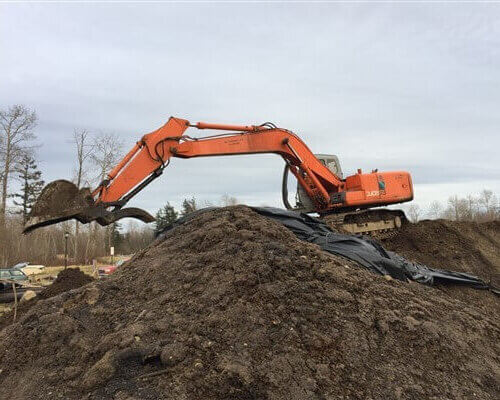
Massachusetts Hoisting License: a Key Step for Many Equipment Roles
Common Hoisting License Classes People Pursue
In Massachusetts, operating hoisting machinery generally requires a license, and the Commonwealth outlines the basics clearly:
Why This Career Can Be a Great Fit (beyond "good pay")
You can build a real, transferable skillset.
Once you learn to operate equipment safely and efficiently, those skills travel with you across: Site work and excavation - Utility work - Roadwork and municipal projects - Commercial construction and industrial sites.
You Can Level Up Over Time
Many people start with one machine and one license class, then expand into:
Multiple equipment types
Specialty roles
Foreman or site leadership
Union apprenticeships or advanced certifications
Choose the Lifestyle That Fits You
Some Operators Prefer:
Local, steady work close to home
Others like:
Big projects, travel work, or seasonal intensity
Heavy equipment operation gives you options.
Two of the most common categories for heavy equipment pathways are:
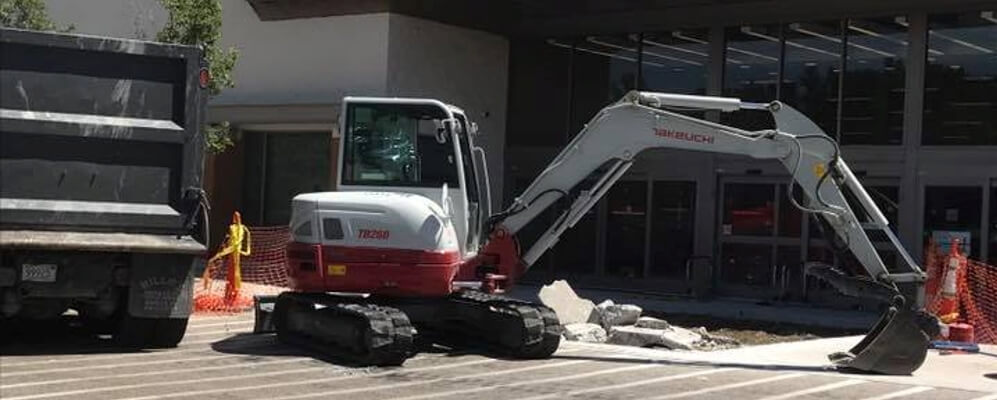
2A (Excavating) – excavators, backhoes, loaders, etc.
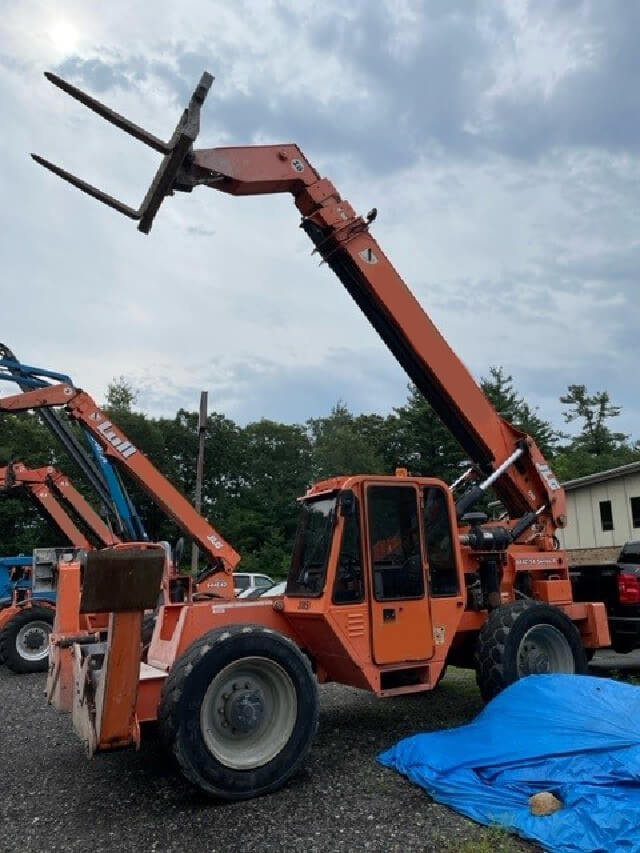
1C (Hoisting) – telescoping booms without wire rope (often used for material handling), and it typically relates to equipment like telehandlers in the field
Exactly what you need depends on the equipment you’ll operate and the jobs you’re targeting.
Help you prepare efficiently and confidently for the hoisting exam, so you can take the next step toward better opportunities.
A strong prep course helps you:
* Understand what the exam is actually testing (not just memorize)
* Learn core safety concepts and best practices
* Feel confident walking into test day
If you’re serious about starting (or leveling up) your career in heavy equipment operation, exam prep is one of the most practical investments you can make.
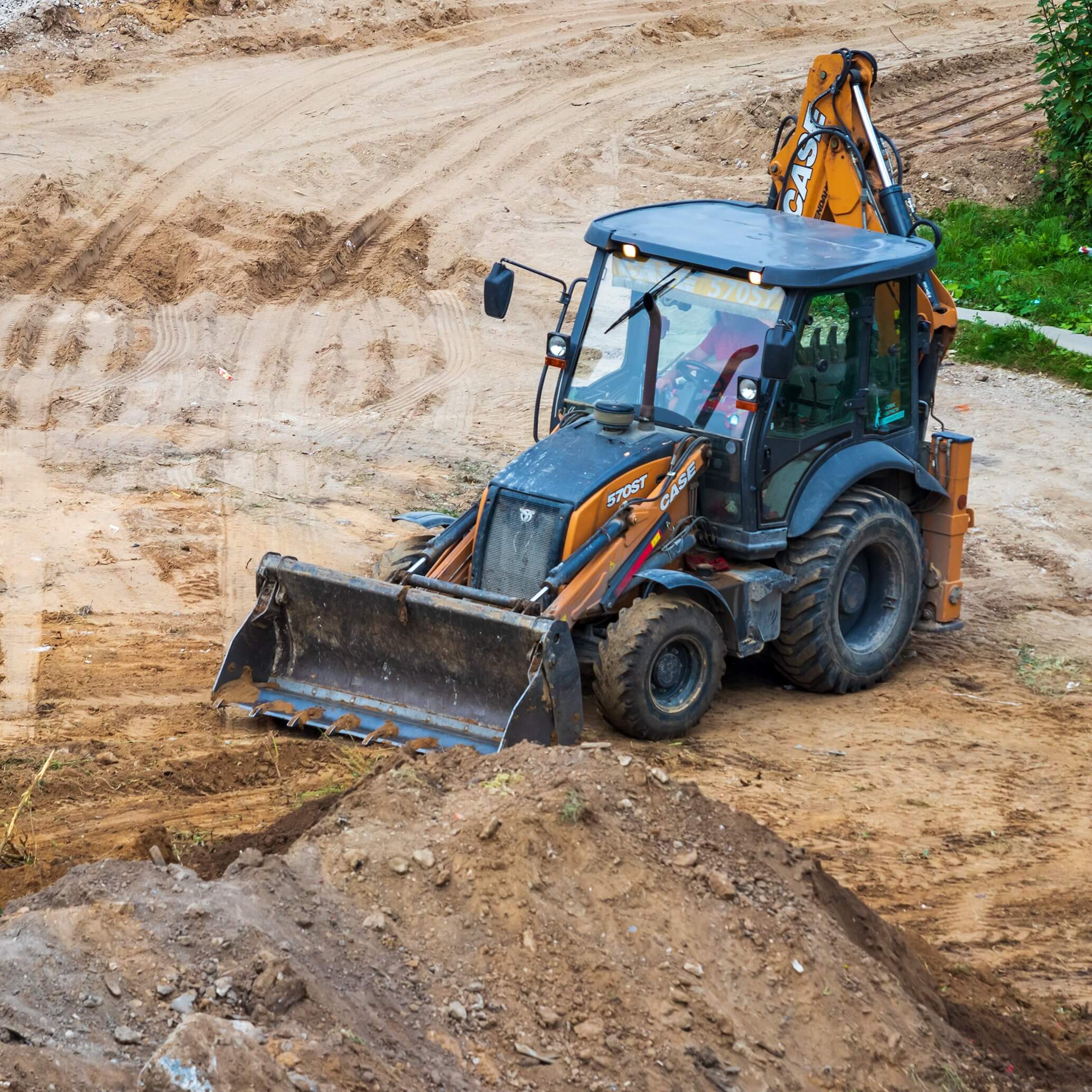
Bottom Line: Massachusetts Hoisting License Helps You Get Licensed
At Massachusetts Hoisting License, our goal is simple: Help you prepare efficiently and confidently for the
hoisting exam, so you can take the next step toward better opportunities.
A strong prep course helps you:
1. Understand what the exam is actually testing (not just memorize)
2. Learn core safety concepts and best practices
3. Feel confident walking into test day
If you’re serious about starting (or leveling up) your career in heavy equipment operation, exam prep is one of the most practical investments you can make.
Get Ready for the NEW YEAR!
Visit Massachusetts Hoisting License or contact us to explore upcoming courses, group training options, and flexible scheduling.
Let us help you pass your state hoisting exam and on the path to a strong, skilled career.